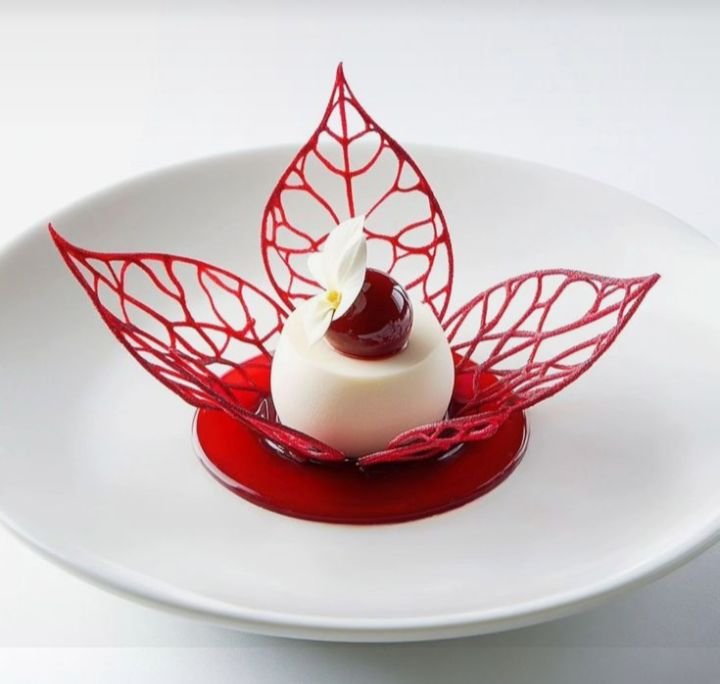
Luxury desserts are more than beautiful plates and expensive ingredients. Behind every elegant tart, perfectly glazed entremet, or delicate chocolate creation lies years of training, technical precision, and an unwavering commitment to craftsmanship. Michelin-star pastry chefs transform simple ingredients into unforgettable experiences by combining culinary science, artistic vision, and meticulous attention to detail.
In the world of fine dining, dessert is often the final impression a restaurant leaves on its guests. For Michelin-star chefs, this means every element—from flavor balance to presentation—must be flawless. Here’s a closer look at how these culinary artists create luxury desserts that captivate diners around the world.
1. Starting with Exceptional Ingredients
The foundation of every luxury dessert is premium-quality ingredients. Michelin-star pastry chefs carefully source products from trusted producers, often choosing seasonal and locally grown ingredients whenever possible.
Common luxury ingredients include:
- Single-origin chocolate with unique flavor profiles
- Madagascar or Tahitian vanilla beans
- Fresh seasonal berries and stone fruits
- European butter with high butterfat content
- Organic eggs from free-range farms
- Premium nuts such as Piedmont hazelnuts and Sicilian pistachios
- Rare spices, edible flowers, and specialty honey
Rather than relying on expensive ingredients alone, chefs select products that offer superior taste, freshness, and consistency.
2. Mastering Precision and Technique
Pastry is often described as the science of cooking because even small variations can affect the final result. Michelin-star pastry chefs rely on precise measurements, exact temperatures, and carefully timed processes.
Their daily work may involve:
- Tempering chocolate to achieve a glossy finish and crisp snap
- Creating perfectly smooth mousses and creams
- Baking delicate pastries with even texture
- Producing mirror glazes with flawless shine
- Laminating dough for light, buttery layers
Every component is tested repeatedly until it consistently meets the highest standards.
3. Building Complex Layers of Flavor
Luxury desserts rarely rely on sweetness alone. Instead, Michelin-star pastry chefs create multiple layers of complementary flavors that evolve with every bite.
A single plated dessert may include:
- A rich chocolate mousse
- Tart raspberry gel
- Hazelnut praline crunch
- Vanilla crèmeux
- Salted caramel sauce
- Fresh berries
- Crispy tuile garnish
The goal is to balance sweetness with acidity, bitterness, saltiness, and texture, creating a dessert that feels sophisticated rather than overwhelming.
4. Focusing on Texture
Texture plays a crucial role in creating memorable desserts. Michelin-star pastry chefs intentionally combine contrasting elements to keep every bite interesting.
A luxury dessert often features:
- Silky creams
- Crunchy pralines
- Crisp pastry shells
- Soft sponge cake
- Airy mousse
- Smooth sorbet
- Delicate sugar decorations
These contrasts provide excitement and elevate the overall dining experience.
5. Treating Presentation as an Art Form
Luxury desserts are designed to impress before the first bite. Michelin-star pastry chefs carefully arrange each component with precision, ensuring the plate looks elegant without appearing overcrowded.
Presentation techniques include:
- Clean geometric arrangements
- Carefully placed edible flowers
- Hand-painted sauces
- Chocolate decorations
- Gold leaf accents
- Micro herbs for subtle color contrast
Every garnish has a purpose, enhancing either flavor, texture, or visual appeal.
6. Embracing Innovation
Many Michelin-star pastry chefs push the boundaries of traditional dessert-making by experimenting with modern culinary techniques.
These innovations may include:
- Liquid nitrogen for dramatic frozen textures
- Molecular gastronomy techniques
- Dehydrated fruit powders
- Edible foams and airs
- Freeze-dried fruits
- Unexpected flavor pairings such as olive oil with chocolate or basil with strawberries
Innovation is used thoughtfully to enhance the guest experience rather than simply creating visual spectacle.
7. Celebrating Seasonality
Luxury pastry menus often change throughout the year to showcase ingredients at their peak.
Spring may feature rhubarb, strawberries, and elderflower.
Summer highlights peaches, cherries, apricots, and berries.
Autumn brings apples, pears, figs, chestnuts, and pumpkin.
Winter desserts frequently incorporate citrus fruits, dark chocolate, spices, and caramel.
Seasonal desserts offer fresher flavors while allowing chefs to continually explore new creative possibilities.
8. Perfecting Every Detail
Michelin-level desserts are rarely assembled in a single step. Each dessert consists of multiple individual components prepared over several days.
A plated dessert might require:
- Sponge cake
- Mousse
- Fruit gel
- Crunch layer
- Sauce
- Ice cream
- Garnish
- Decorative chocolate elements
Each component is perfected individually before being combined into the final presentation.
9. Creating an Emotional Experience
Luxury desserts are designed to evoke memories and emotions. A familiar flavor like vanilla, apple, or chocolate may be presented in an entirely unexpected way, creating a sense of surprise and nostalgia.
Chefs often tell stories through desserts inspired by childhood memories, local ingredients, cultural traditions, or nature. This emotional connection transforms dessert from a sweet ending into a memorable experience.
10. Pursuing Continuous Improvement
Michelin-star pastry chefs rarely consider a dessert finished. Recipes are constantly refined based on seasonal ingredients, guest feedback, and new techniques.
Teams may spend weeks testing small adjustments to:
- Sweetness levels
- Texture combinations
- Plating arrangements
- Baking times
- Ingredient sourcing
- Portion sizes
This relentless pursuit of perfection is one of the defining characteristics of Michelin-level pastry.
What Makes a Dessert Truly Luxurious?
Luxury desserts are not defined solely by gold leaf, exotic ingredients, or elaborate decorations. Instead, they reflect a combination of exceptional craftsmanship, technical mastery, creativity, and thoughtful storytelling.
The most memorable desserts succeed because they engage all the senses:
- Visual beauty through elegant presentation
- Aromatic complexity from fresh ingredients
- Balanced flavors that evolve with each bite
- Contrasting textures that create excitement
- Emotional resonance through creativity and storytelling
When these elements come together seamlessly, dessert becomes more than food—it becomes an unforgettable culinary experience.
Final Thoughts
Michelin-star pastry chefs create luxury desserts by blending precision, artistry, and innovation with an uncompromising dedication to quality. Every ingredient is carefully selected, every technique is meticulously executed, and every plate is designed to delight both the eyes and the palate.
While these desserts may appear effortless, they represent countless hours of practice, experimentation, and refinement. Their true luxury lies not just in premium ingredients but in the expertise, passion, and creativity that transform simple components into extraordinary works of edible art.