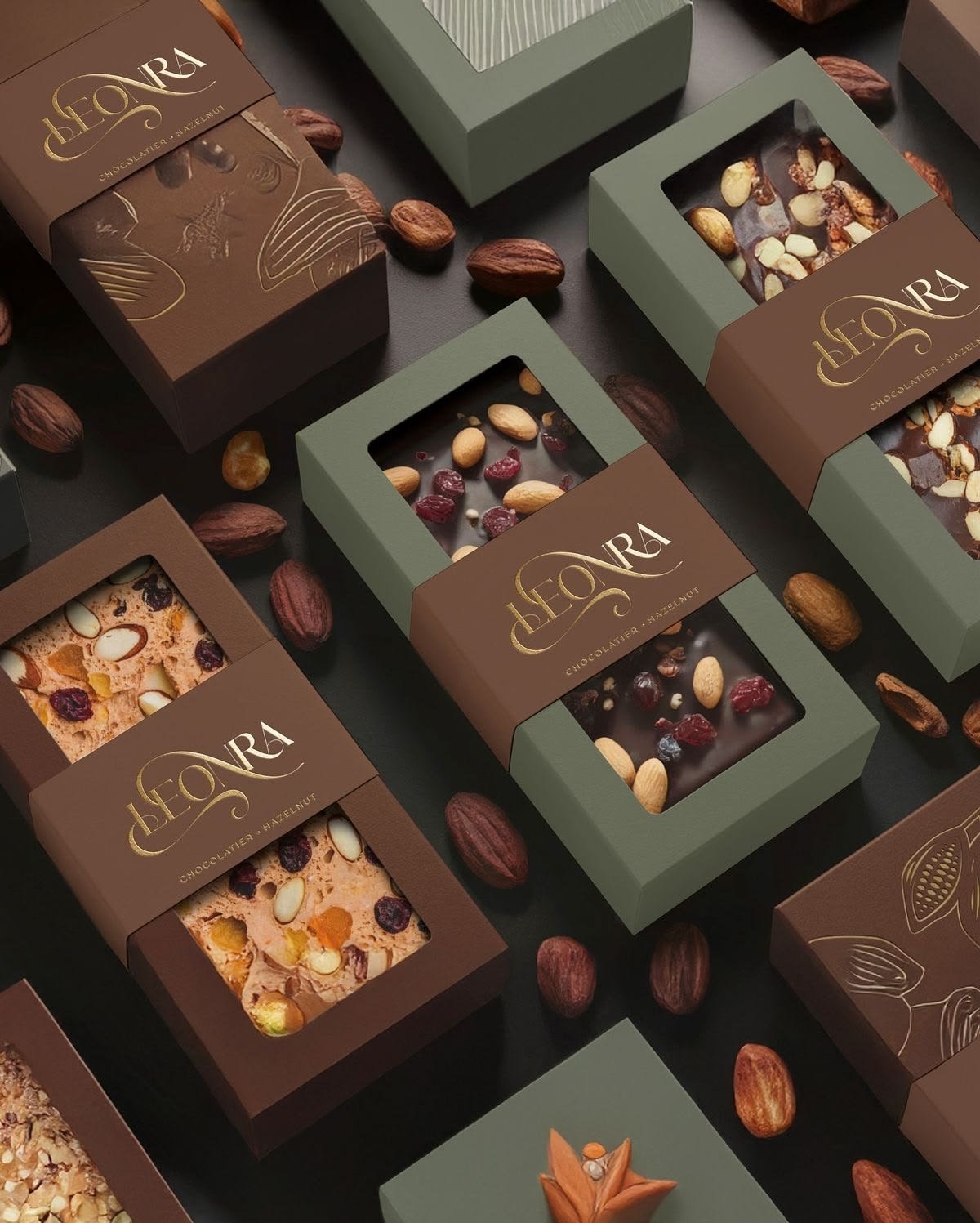
Introduction
Premium chocolate is more than just a sweet treat—it’s a carefully crafted culinary experience. From the selection of fine cacao beans to the artistry of expert chocolatiers, every step contributes to exceptional flavor, texture, and quality. Whether you’re a casual chocolate lover or an aspiring connoisseur, understanding what makes premium chocolate unique can help you appreciate every bite.
What Makes Chocolate “Premium”?
Several factors distinguish premium chocolate from mass-produced varieties:
- High-quality cacao beans: Often sourced from specific regions known for producing distinctive flavors.
- Higher cacao content: Premium dark chocolates typically contain 60–90% cacao.
- Minimal ingredients: Fine chocolate usually includes cacao mass, cocoa butter, sugar, and sometimes vanilla or lecithin—without unnecessary fillers or artificial flavors.
- Careful craftsmanship: Longer conching, precise tempering, and meticulous quality control create a smoother texture and more balanced taste.
Understanding Cacao Origins
Just as wine reflects the region where grapes are grown, chocolate develops unique characteristics based on its origin.
South America
Known for complex flavors with notes of berries, nuts, and floral aromas.
West Africa
Produces rich, robust cacao with classic chocolate flavors and subtle earthy undertones.
Central America
Offers bright, fruity profiles with hints of citrus and spice.
Asia-Pacific
Often features bold flavors with tropical fruit, caramel, and smoky characteristics.
Types of Premium Chocolate
Dark Chocolate
Rich in cacao and lower in sugar, dark chocolate offers intense flavors ranging from fruity and floral to earthy and bitter.
Milk Chocolate
Premium milk chocolate balances creamy dairy notes with high-quality cacao, resulting in a smoother and more nuanced flavor than conventional milk chocolate.
White Chocolate
Made from cocoa butter rather than cocoa solids, premium white chocolate delivers delicate flavors of vanilla, cream, and caramel when crafted with quality ingredients.
Single-Origin Chocolate
Produced using cacao from one specific region—or even a single estate—allowing the chocolate to showcase the unique characteristics of its terroir.
How to Taste Chocolate Like an Expert
- Observe the appearance: A glossy finish and even color indicate proper tempering.
- Listen for the snap: Good chocolate breaks cleanly with a crisp snap.
- Smell the aroma: Notice fruity, floral, nutty, roasted, or spicy notes.
- Let it melt slowly: Avoid chewing immediately to experience the full range of flavors.
- Evaluate the finish: Premium chocolate leaves a clean, lingering aftertaste.
Reading Chocolate Labels
Look for:
- High cacao percentage
- Cocoa butter listed as the primary fat
- Clear origin information
- Limited ingredient list
- Ethical sourcing or sustainability certifications when available
Pairing Premium Chocolate
Premium chocolate pairs beautifully with many foods and beverages.
Dark Chocolate
- Coffee
- Espresso
- Red wine
- Aged cheeses
- Roasted almonds
Milk Chocolate
- Black tea
- Caramel desserts
- Hazelnuts
- Fresh berries
White Chocolate
- Green tea
- Citrus fruits
- Tropical fruits
- Sparkling wine
Proper Storage
To preserve quality:
- Store between 15–20°C (59–68°F).
- Keep away from direct sunlight.
- Avoid strong odors, as chocolate can absorb surrounding aromas.
- Store in an airtight container if the original packaging has been opened.
- Do not refrigerate unless absolutely necessary, as condensation may affect texture.
Common Myths
Myth: Higher cacao percentage always means better chocolate.
Reality: Quality depends on bean selection, roasting, processing, and craftsmanship—not just cacao percentage.
Myth: White chocolate isn’t real chocolate.
Reality: White chocolate contains cocoa butter, making it a legitimate type of chocolate, though it lacks cocoa solids.
Choosing the Right Premium Chocolate
Consider:
- Your preferred sweetness level
- Flavor profile (fruity, nutty, earthy, floral, spicy)
- Intended use (snacking, baking, gifting, or pairing)
- Ethical sourcing and sustainability practices
- Budget and brand reputation
Final Thoughts
Premium chocolate represents the perfect blend of agriculture, science, and artistry. By understanding cacao origins, production methods, tasting techniques, and storage practices, you can make more informed choices and enjoy chocolate at its finest. Whether you prefer a bold single-origin dark bar or a silky milk chocolate with delicate caramel notes, exploring premium chocolate is a rewarding journey filled with rich flavors and unforgettable experiences.